
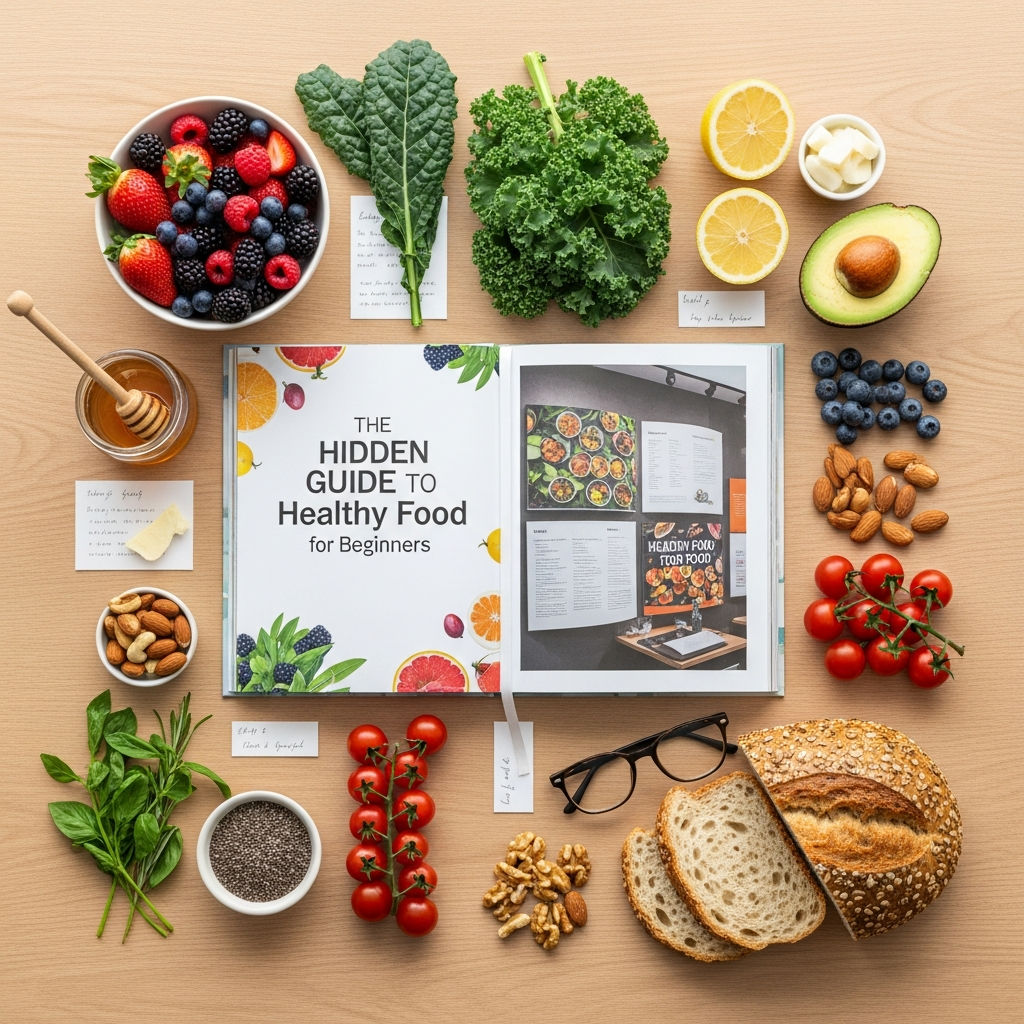
The Hidden Guide to Healthy Food for Beginners: Transitioning to a Better Life
The world of nutrition can feel like a labyrinth. One day, eggs are a superfood; the next, they are a dietary villain. For a beginner, the sheer volume of conflicting information is enough to make anyone give up and reach for a bag of processed chips. However, the “secret” to healthy eating isn’t found in a restrictive fad diet or an expensive supplement. It is found in returning to the basics and understanding how food functions as fuel for your body.
This hidden guide is designed to strip away the noise and provide a clear, actionable roadmap for anyone looking to transform their relationship with food. Whether you want to lose weight, gain energy, or simply feel better in your own skin, the journey starts with these fundamental principles.
Understanding the Foundation: It’s Not About Deprivation
The biggest mistake beginners make is viewing healthy eating as a list of things they can’t have. When you approach food with a mindset of restriction, your brain instinctively rebels. The secret to sustainable health is crowding out rather than cutting out.
Instead of focusing on removing “bad” foods, focus on adding “good” ones. As you incorporate more fiber-rich vegetables, lean proteins, and hydrating fluids, you will naturally have less room—and fewer cravings—for highly processed, sugary snacks. Healthy eating is an additive process, not a subtractive one.
The Role of Bio-Individuality
There is no “one size fits all” diet. This is a hidden truth that the multi-billion dollar diet industry often ignores. Your genetics, activity level, and metabolic health determine what foods work best for you. While the principles of whole foods apply to everyone, some people thrive on higher healthy fats, while others need more complex carbohydrates for energy. Listen to your body’s signals—energy levels, digestion, and mood—after you eat.
The Essential Building Blocks: Macros and Micros
To navigate the grocery store like an expert, you need to understand what is actually inside your food. Food is composed of macronutrients (macros) and micronutrients (micros).
The Power of Macronutrients
- Proteins: The building blocks of your body. Protein is essential for muscle repair, immune function, and keeping you full. Focus on eggs, poultry, fish, beans, lentils, and Greek yogurt.
- Carbohydrates: Your body’s preferred energy source. The “hidden” trick here is to choose complex carbs over simple ones. Think oats, quinoa, sweet potatoes, and brown rice rather than white bread and sugary cereals.
- Healthy Fats: Essential for brain health and hormone production. Don’t fear fat; just choose the right kinds, like avocados, olive oil, nuts, seeds, and fatty fish.
The Magic of Micronutrients
Micronutrients are the vitamins and minerals found in colorful plants. They don’t provide energy (calories), but they act as the “spark plugs” for your metabolism. A simple rule for beginners is to “eat the rainbow.” Different colors in vegetables represent different antioxidants and minerals. If your plate is beige, you are likely missing out on vital micronutrients.
The Beginner’s Blueprint: How to Shop and Prep
Success in healthy eating is 80% preparation and 20% execution. If you have healthy food available, you will eat it. If you don’t, you will opt for convenience. Use these strategies to set yourself up for victory.
Shop the Perimeter
If you look at the layout of almost any grocery store, the fresh, whole foods are located around the outer edges. This is where you find the produce, the butcher, and the dairy. The center aisles are usually packed with shelf-stable, highly processed items containing preservatives, excess sodium, and hidden sugars. Spend 90% of your time on the perimeter.
Learn to Read Labels (The Right Way)
Don’t be fooled by front-of-package marketing like “all-natural,” “low-fat,” or “heart-healthy.” These are often misleading. Instead, flip the package over and look at the ingredient list. If the first three ingredients include sugar (or its aliases like high fructose corn syrup or maltodextrin) or if the list looks like a chemistry experiment, put it back. The shorter the ingredient list, the better.

The 80/20 Rule
Perfection is the enemy of progress. Most beginners quit because they try to be 100% “clean” and then spiral after one “cheat meal.” Follow the 80/20 rule: eat nutrient-dense, whole foods 80% of the time, and allow yourself 20% flexibility for social events or your favorite treats. This creates a sustainable lifestyle rather than a temporary fix.
Top 10 Healthy Foods for Every Beginner’s Pantry
If you are overwhelmed by choice, start with these versatile, nutrient-dense staples:
- Leafy Greens: Spinach and kale are nutritional powerhouses that can be added to smoothies, salads, or sautés.
- Eggs: One of the most complete protein sources on the planet and very affordable.
- Berries: Lower in sugar than many fruits and packed with fiber and antioxidants.
- Oats: A fantastic source of soluble fiber to keep your heart healthy and your stomach full.
- Greek Yogurt: Excellent for gut health (probiotics) and high in protein.
- Sweet Potatoes: A slow-burning carb that provides steady energy and Vitamin A.
- Nuts and Seeds: Perfect for on-the-go snacking and healthy fats.
- Canned Tuna or Salmon: An easy way to get Omega-3 fatty acids without cooking fresh fish every day.
- Legumes (Beans/Lentils): High-fiber, plant-based protein that is incredibly budget-friendly.
- Cruciferous Vegetables: Broccoli and cauliflower help with detoxification and are linked to various health benefits.
Practical Strategies for Long-Term Success
Changing your diet is as much a mental game as it is a physical one. To make these changes stick, you need to implement lifestyle habits that support your nutritional goals.
Hydration is Non-Negotiable
Often, when we think we are hungry, we are actually just dehydrated. Water is essential for every metabolic process in the body. Aim for at least 2-3 liters a day. If you find plain water boring, infuse it with lemon, cucumber, or mint.
Master the Art of Simple Meal Prep
You don’t need to spend eight hours every Sunday in the kitchen. Start small. Cook a double batch of grains or roast a large tray of vegetables. Having pre-cooked components makes assembling a healthy lunch in five minutes a reality. Use the “Bowl Method”: a base of greens, a scoop of grains, a palm-sized portion of protein, and a healthy fat dressing.
Mindful Eating
In our fast-paced world, we often eat while distracted by phones or TV. This leads to overeating because the brain doesn’t receive the “I’m full” signal in time. Try to eat without screens, chew your food thoroughly, and pay attention to the textures and flavors. You will likely find that you feel satisfied with smaller portions.
Conclusion: Your Journey Starts with the Next Meal
The “hidden” guide to healthy food isn’t about finding a magic ingredient; it’s about consistency, simplicity, and self-compassion. You don’t need to be an expert chef or a certified nutritionist to fuel your body well. By focusing on whole foods, understanding your macros, and preparing your environment for success, you are taking the most important steps toward a healthier version of yourself.
Remember, your health is a marathon, not a sprint. If you slip up, don’t wait until Monday to “start again.” Your very next meal is an opportunity to nourish your body and get back on track. Start small, stay consistent, and watch how your body rewards you with more energy, better sleep, and a clearer mind.